Product psychology
Why people do what they do inside a product, and which parts of it a designer can actually change. Each post takes one mechanism and traces it through software you already use.
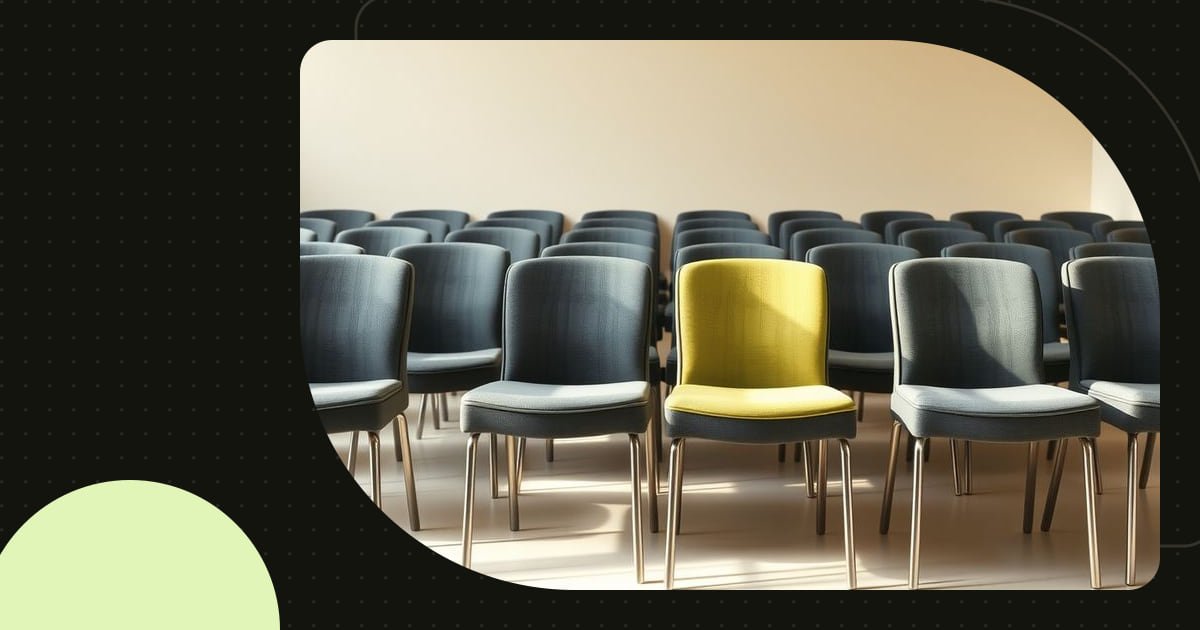
Your SaaS shouldn't look unique everywhere
Make it intuitive and make it unique are both reasonable requests that pull in opposite directions. The way out is deciding where each one belongs.
The line between persuasion and a dark pattern is the exit
Every product nudges. The useful test is not whether you are influencing someone, but whether the answer you do not want is as cheap to give as the one you do.
Hick's law is not a rule about having fewer options
The law gets quoted to justify deleting features. What it actually describes is the shape of a decision, which is a different problem with a much better fix.
The AI features people like best can be the ones that make them decide worst
The interventions that most reduced overreliance on AI were the ones users rated least favourably. That finding should change how AI products get evaluated.
Loom was won in the settings menu
Atlassian paid roughly $975 million for Loom. A meaningful share of what made it work was a set of decisions most teams would delegate to whoever picks up the ticket.
Anticipation is a feature: deconstructing Spotify Wrapped
Spotify gets a week of free cultural attention every December by showing people a bar chart about themselves. The mechanics are copyable, and the 2024 edition proves which part is load-bearing.