
Notes from inside the work
Notes on designing software people use at work: what holds up under real data, what breaks at the tenth screen, and what I have changed my mind about.
You can skip Figma. You can't skip design judgment.
Once AI can generate a polished interface for you, the bottleneck changes. The scarce skill is no longer producing the first reasonable screen.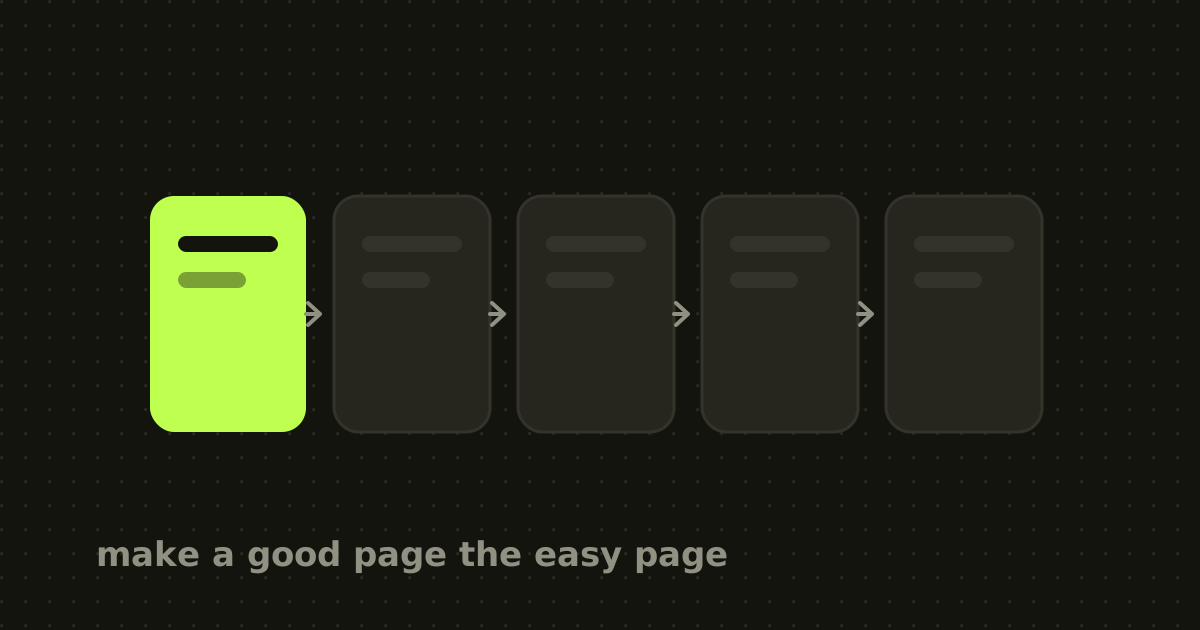
How to build a scalable B2B software website with a design system and Claude
The goal is not to let AI build your website. It is to make a good page the path of least resistance, for humans and for models.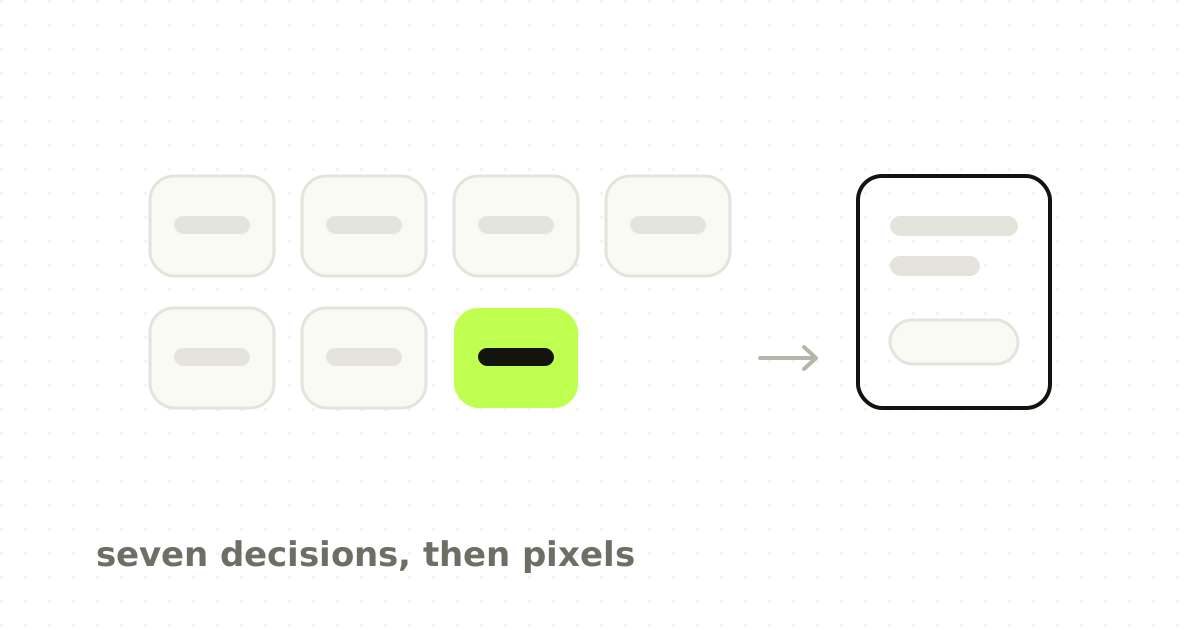
Fix positioning before you redesign the website
The highest-leverage deliverable before a redesign is not a mood board. It is a small positioning package the whole team can actually agree on.
How to choose a B2B software website design agency
A portfolio tells you what an agency can make look good. Your selection process has to reveal how they think and what they leave behind.
Red zone messaging: when to position against the incumbent
A challenger does not earn attention by pretending the incumbent does not exist. But naming the leader tells the buyer exactly which comparison to make.
Your design system isn't slow. Your product decisions are.
The library is rarely the problem. The system is exposing decisions the organisation never made, and exceptions arrive faster than it can absorb them.
AI made prototyping faster. It also made bad ideas faster.
A prototype is supposed to reduce uncertainty. It becomes dangerous when building it increases commitment to a direction nobody has tested.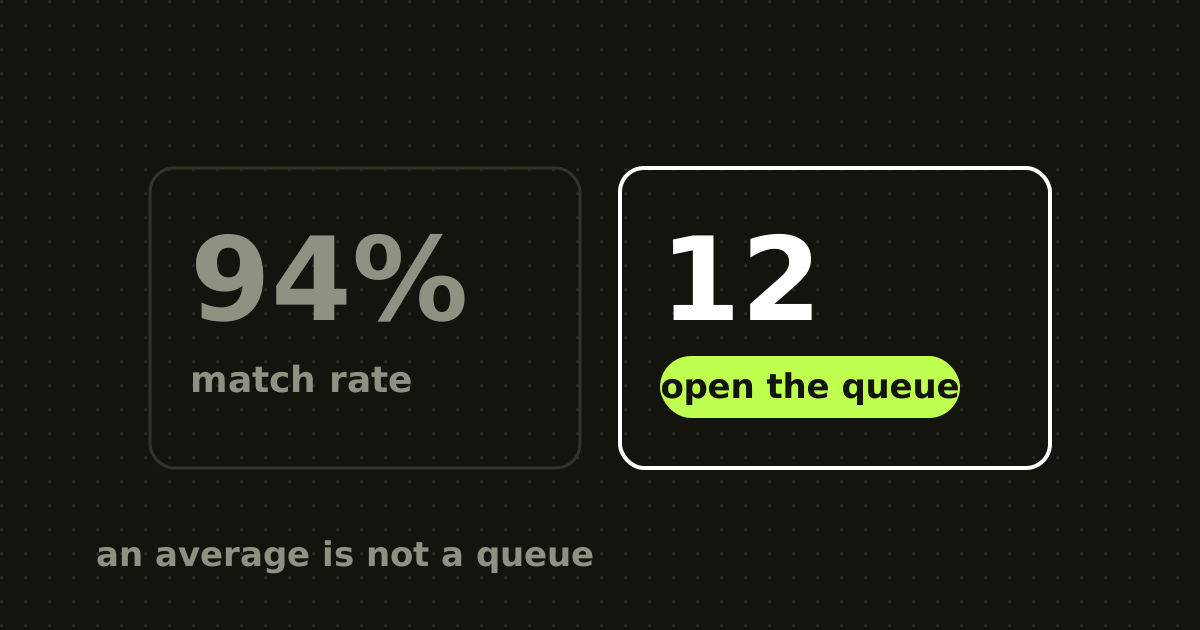
Your dashboard doesn't need another chart
Information accumulates faster than purpose. Six months later the dashboard is visually impressive and nobody can say which decision it improves.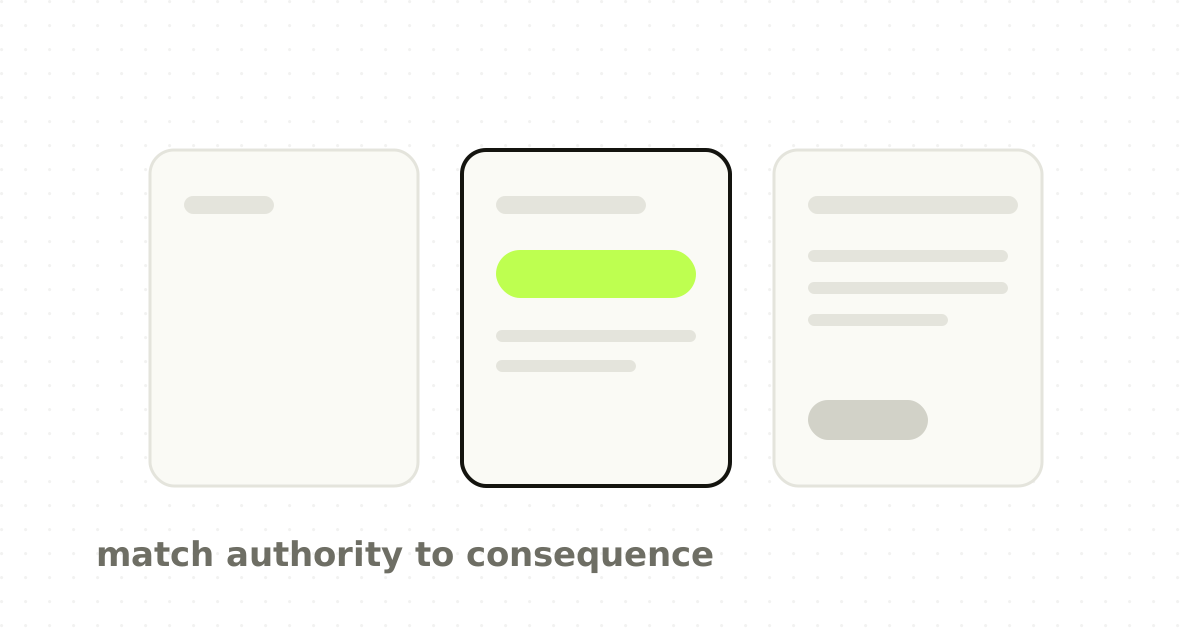
The best AI interface may be the one that shows less AI
A finance manager does not wake up wanting to chat with an accounts-receivable model. They want to clear exceptions before 9:30.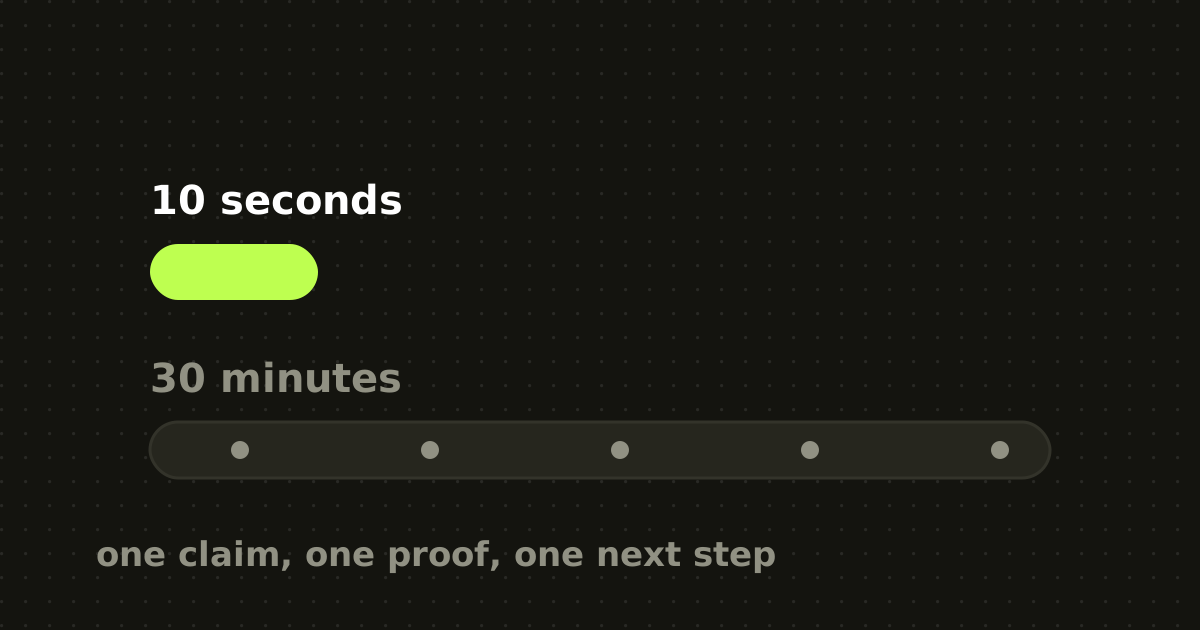
Your homepage has 10 seconds. Your sales call has 30 minutes.
One surface compresses and the other adapts. Designing them with the same amount of information ignores the attention contract.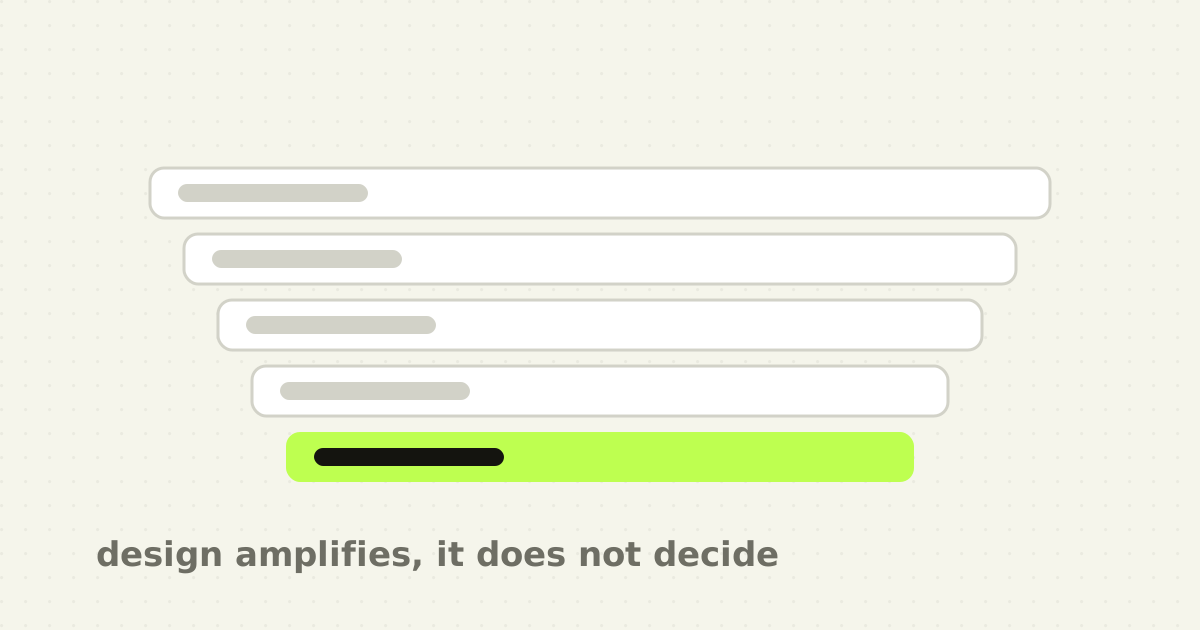
Your SaaS website probably doesn't need a redesign yet
A redesign is an amplifier. If the story is sharp it makes it faster to understand. If the positioning is vague, it makes the vagueness more polished.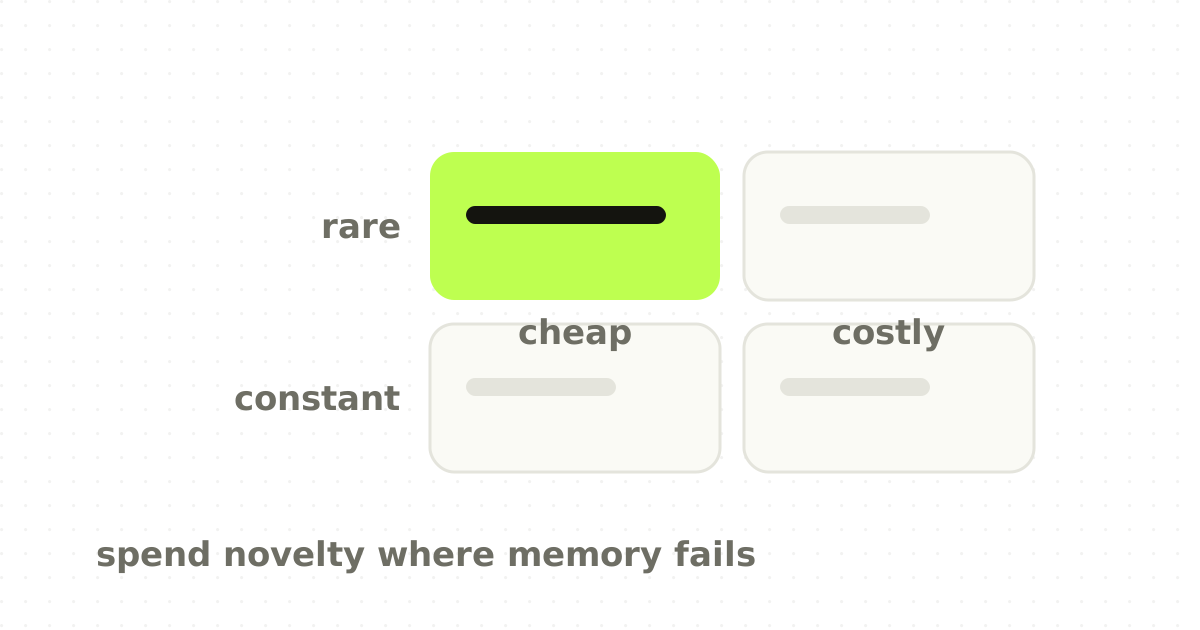
Your SaaS shouldn't look unique everywhere
Make it intuitive and make it unique are both reasonable requests that pull in opposite directions. The way out is deciding where each one belongs.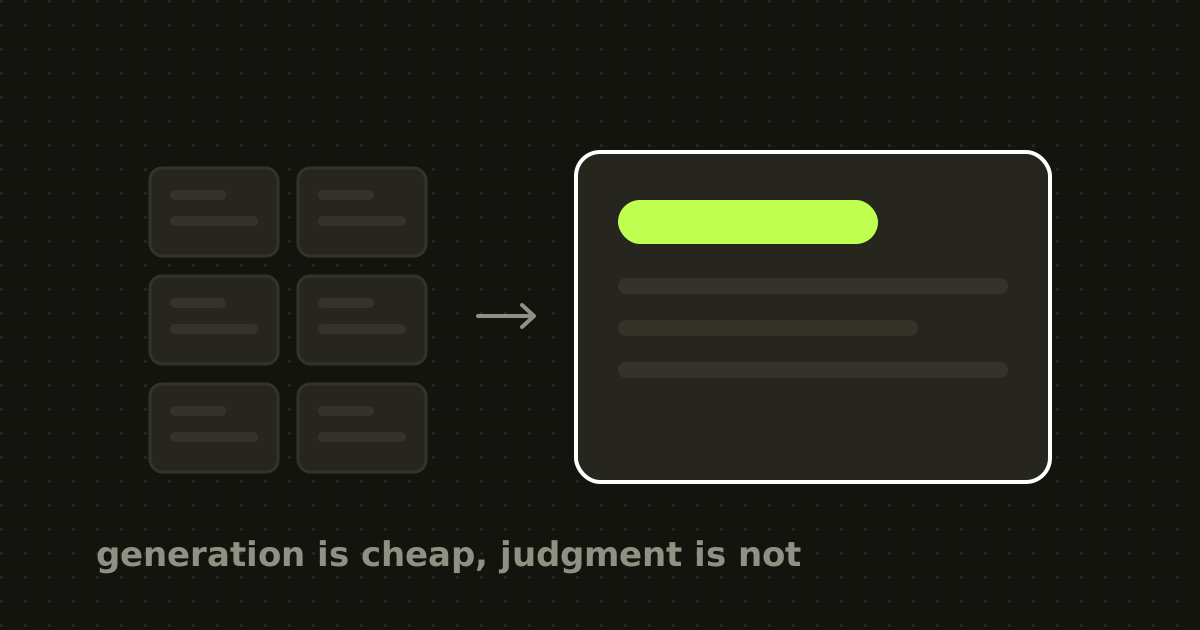
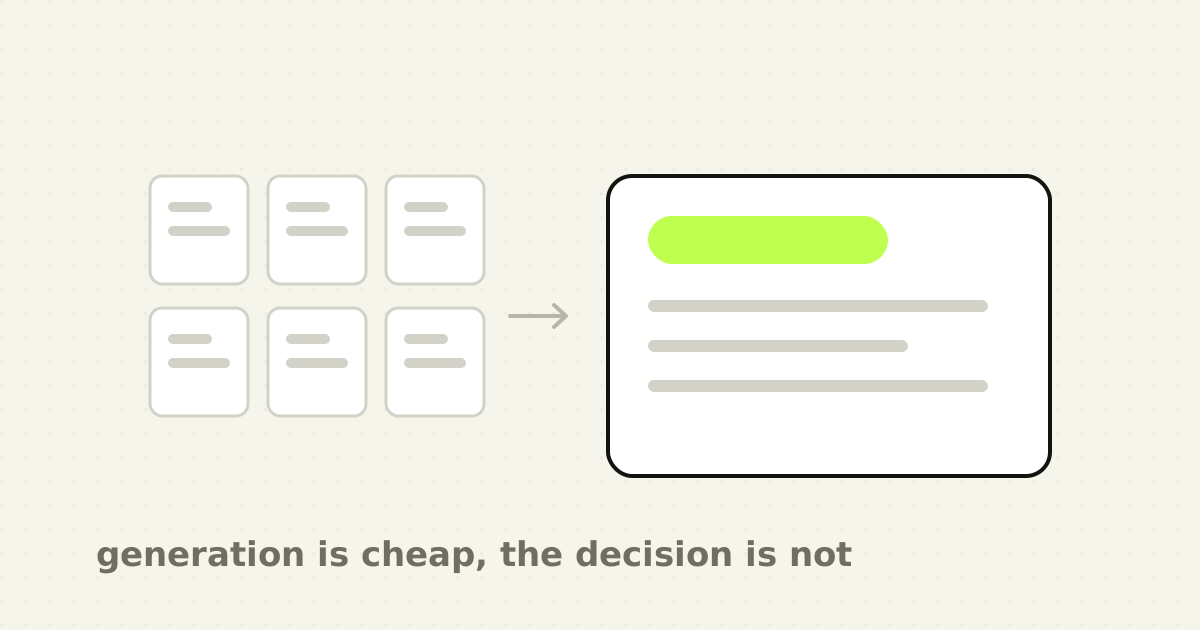
AI can generate 100 interfaces. It still cannot decide which one should exist.
When generation is free, teams stop being limited by what they can make and start being limited by what they can evaluate.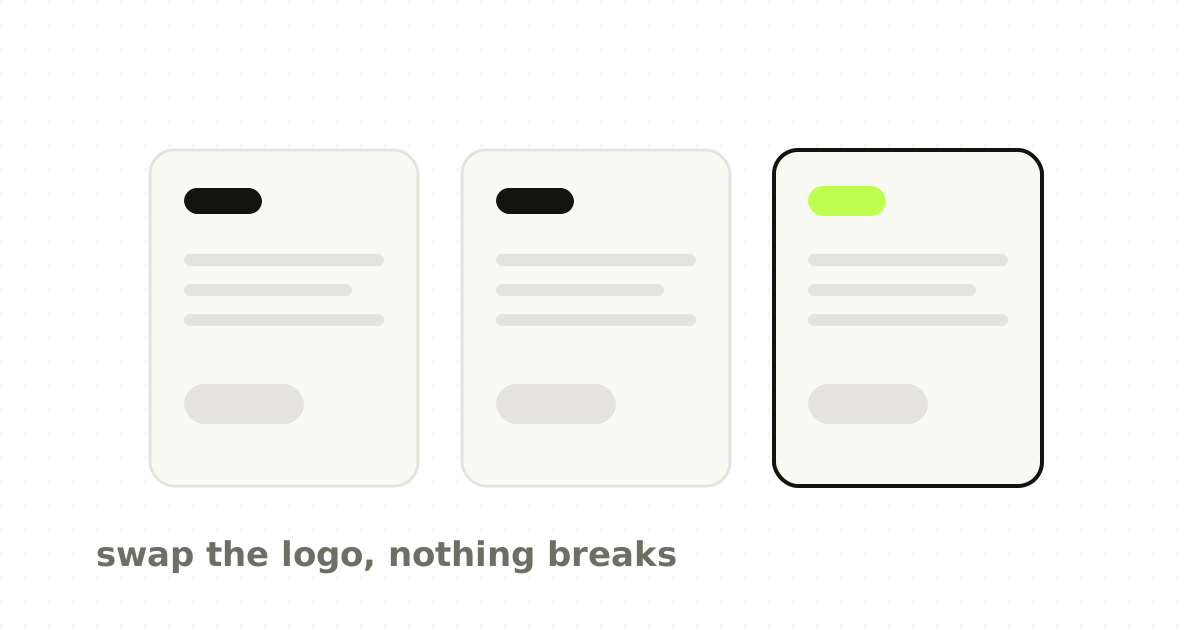
Why every AI startup website looks the same
Most teams did not copy each other on purpose. They copied the same references, used the same components, and asked the same models for inspiration.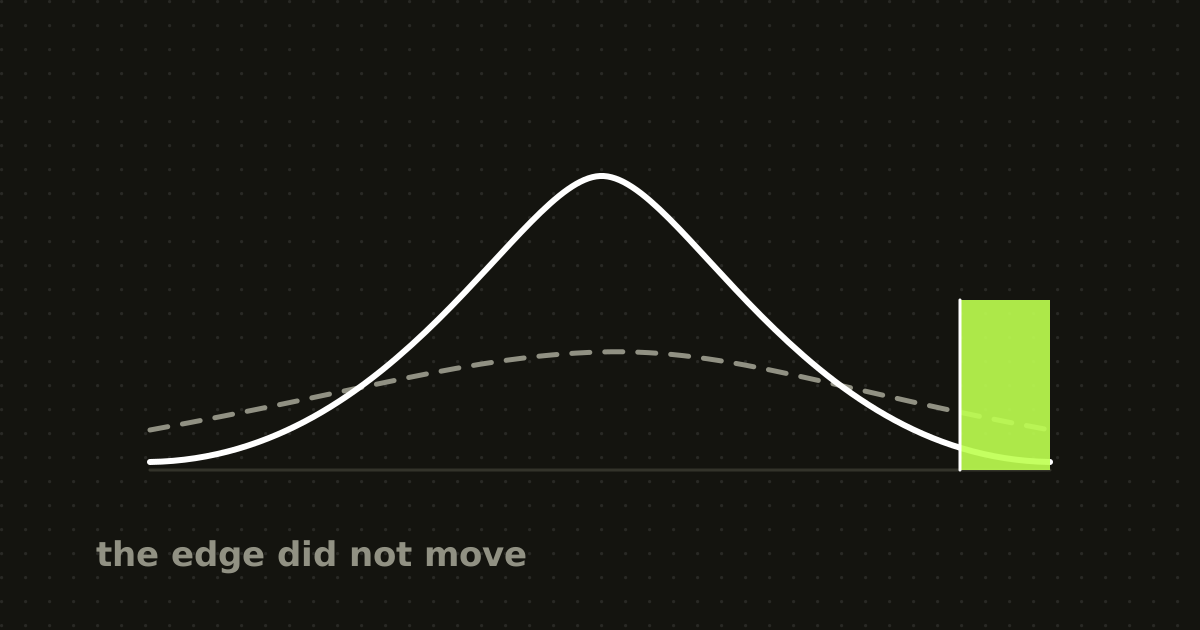
AI made good design cheap. Distinctive design just became more valuable.
Generative tools are compressing the cost of competent execution at the same moment that distinctive judgment becomes harder to fake. That is the design paradox worth pricing for.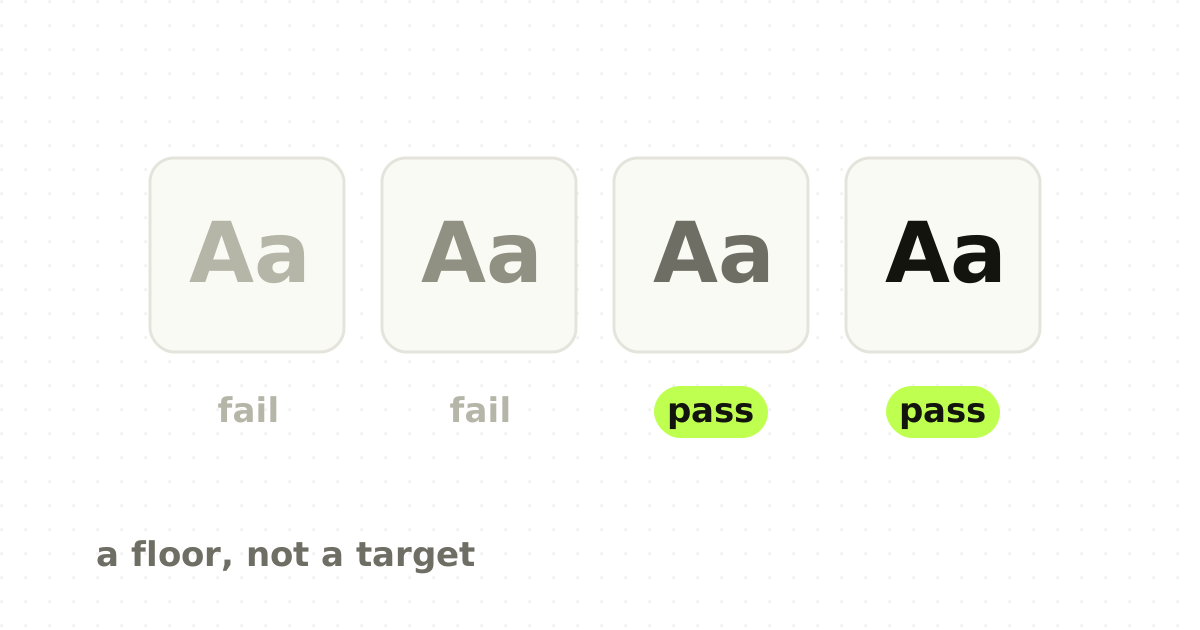
4.5 to 1 is a floor, not a target
Contrast is the one accessibility requirement everyone can check in ten seconds, which is exactly why teams treat clearing it as finishing the job.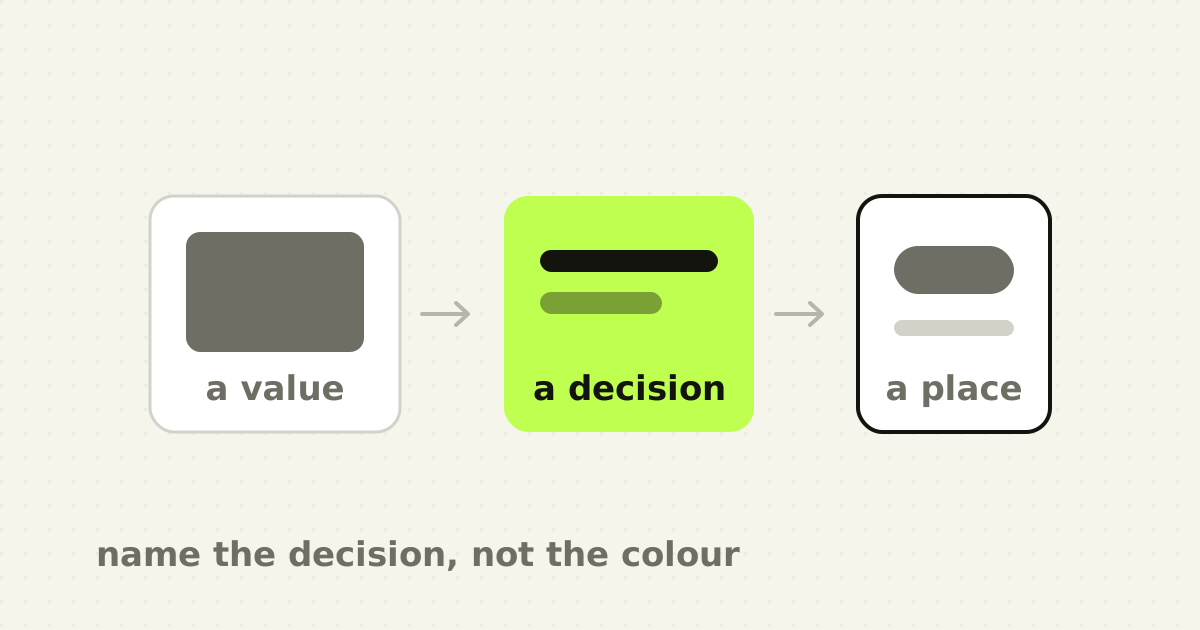
Name the decision, not the colour
Most token systems are a colour palette with extra steps. The layer that makes them worth the effort is the one teams skip.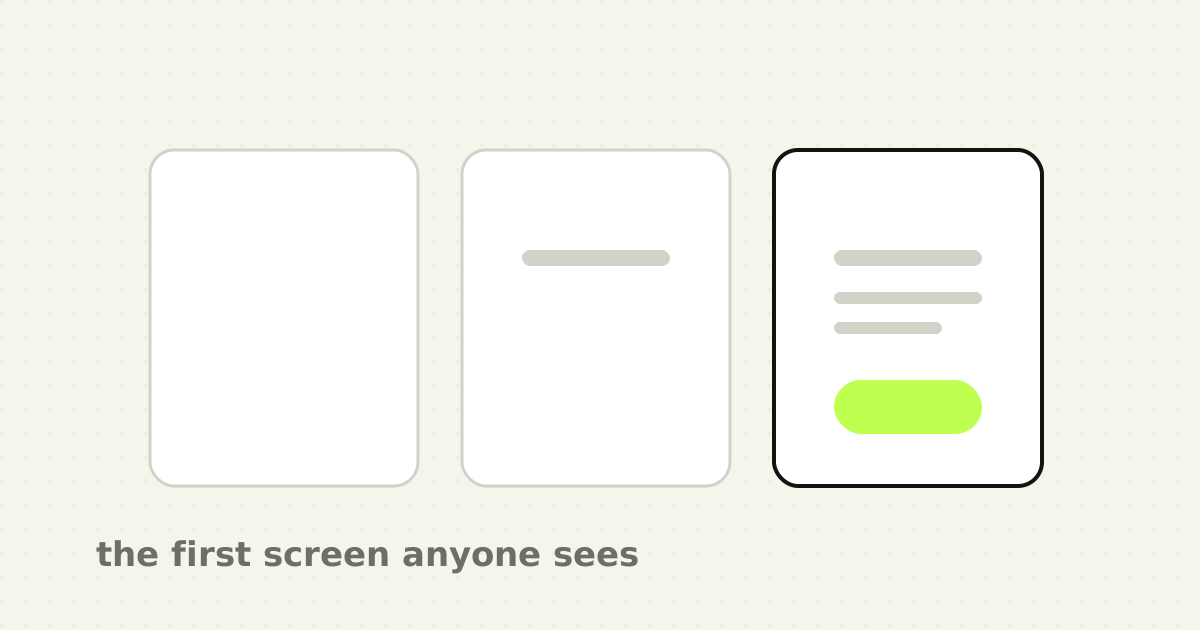
Every product is empty on the first day and that screen gets designed last
The screen that greets every new account is routinely the one nobody was assigned. It is also the only screen guaranteed to be seen by one hundred per cent of users.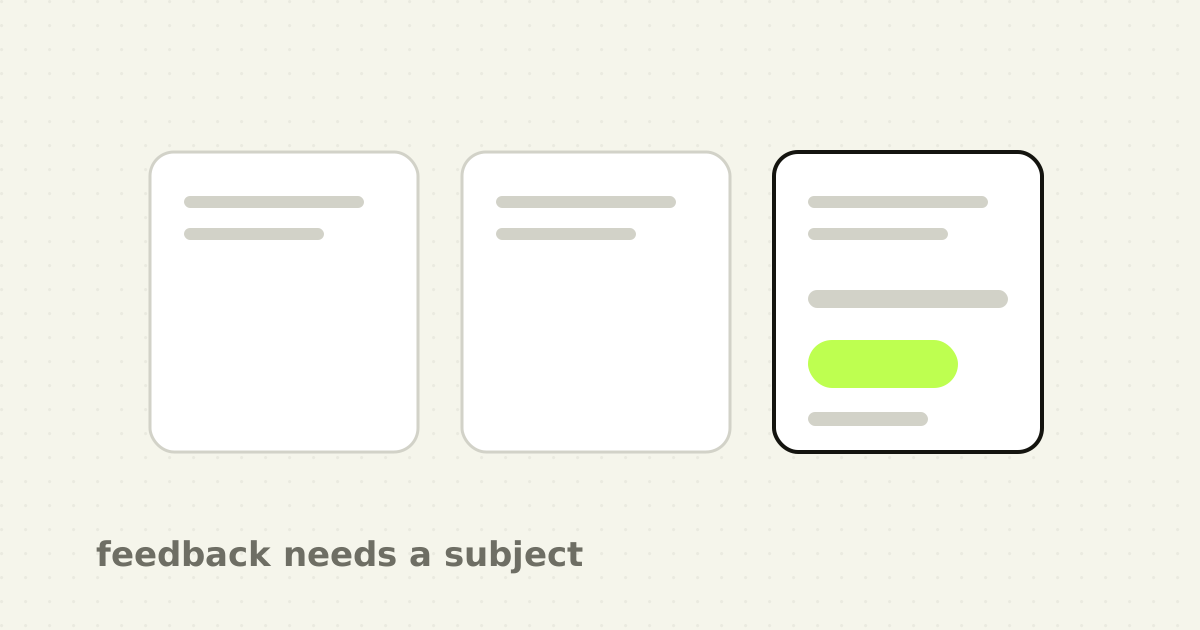
Feedback needs a subject, and taste is not one
The problem with design review is not that people are unkind. It is that they describe their own reaction and expect a designer to reverse-engineer a change from it.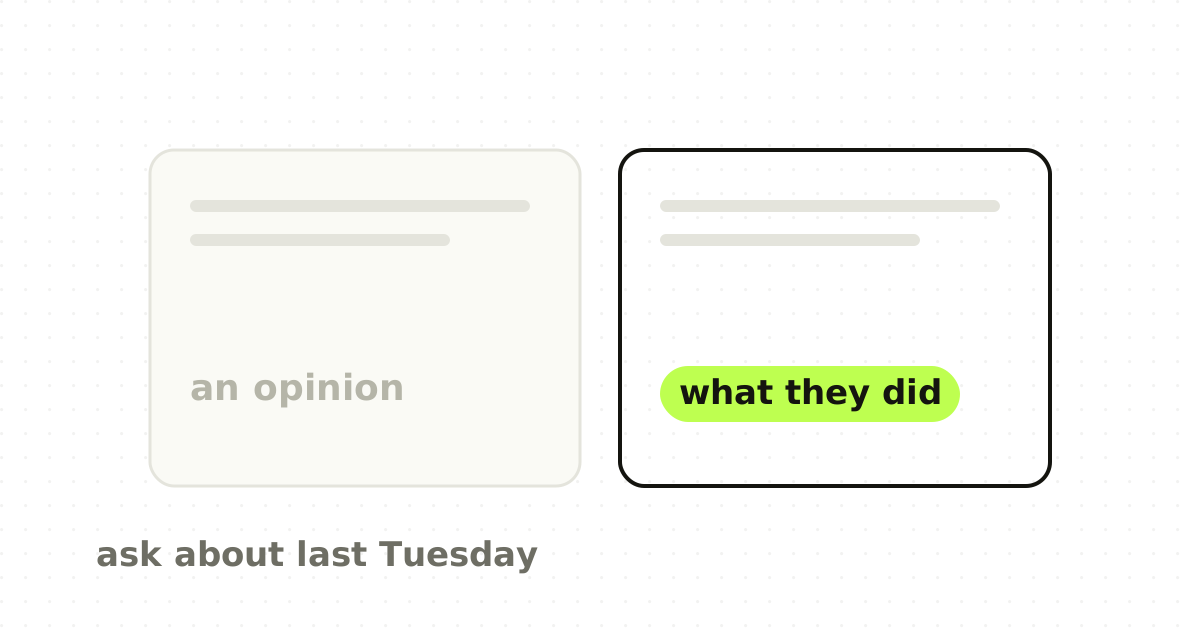
Ask about last Tuesday, not about next quarter
Most interview guides are built from questions people cannot answer honestly. The fix is not better rapport, it is asking about things that have already happened.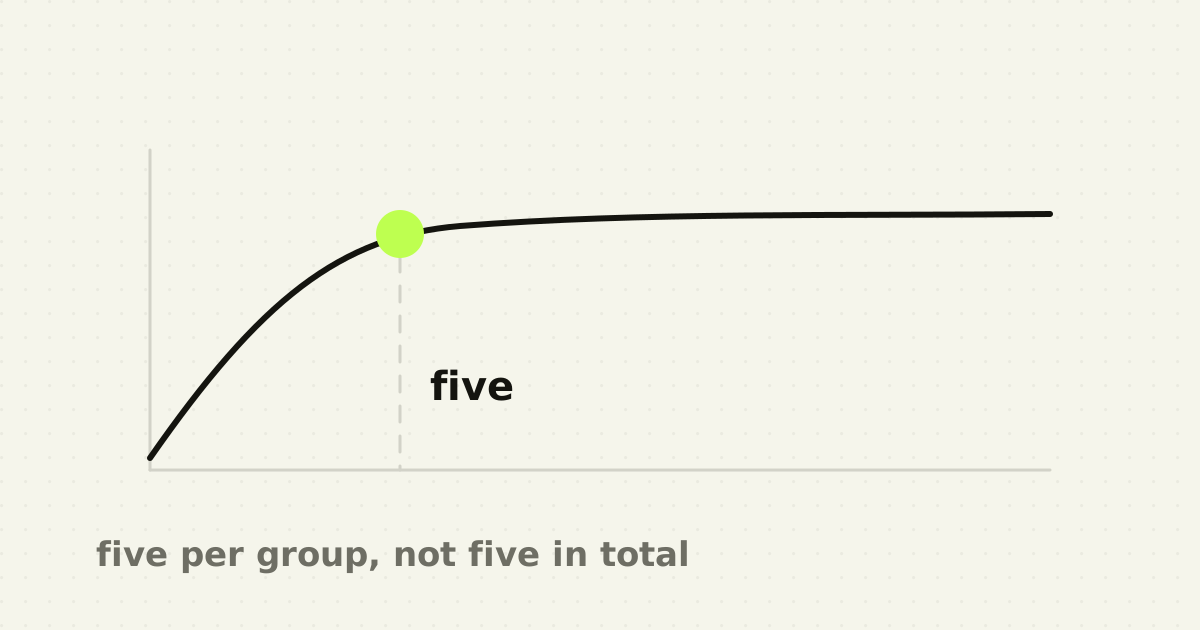
Five users is per group, and almost nobody reads it that way
The most quoted number in UX research is a per-segment figure being used as a total. That one misreading is why teams keep shipping problems their tests could not have found.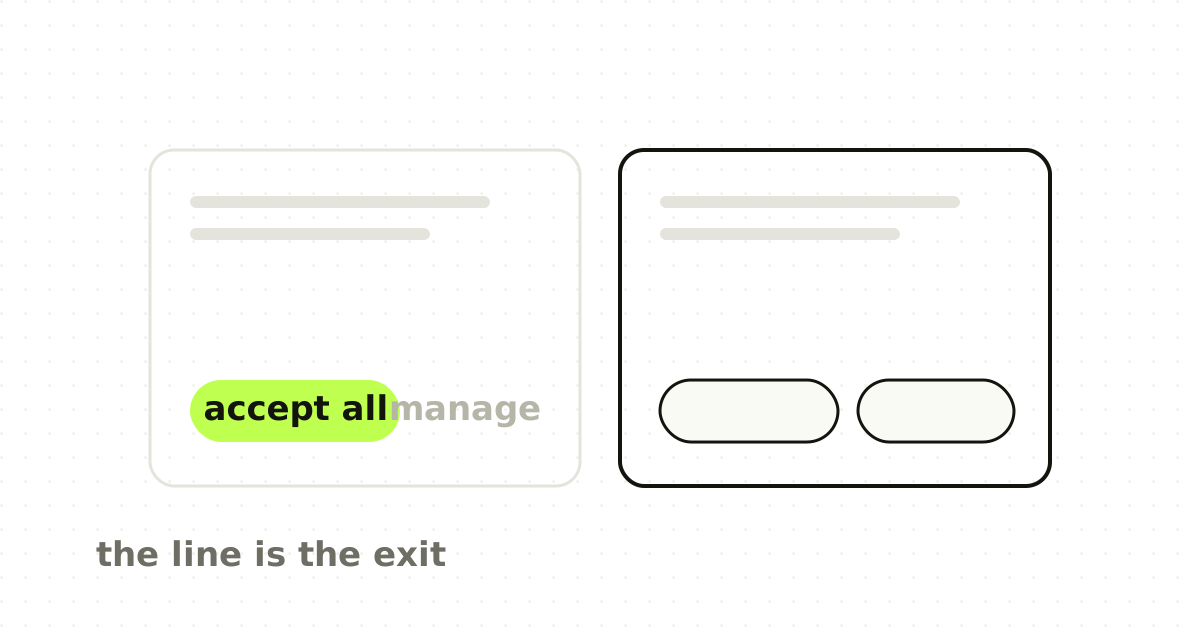
The line between persuasion and a dark pattern is the exit
Every product nudges. The useful test is not whether you are influencing someone, but whether the answer you do not want is as cheap to give as the one you do.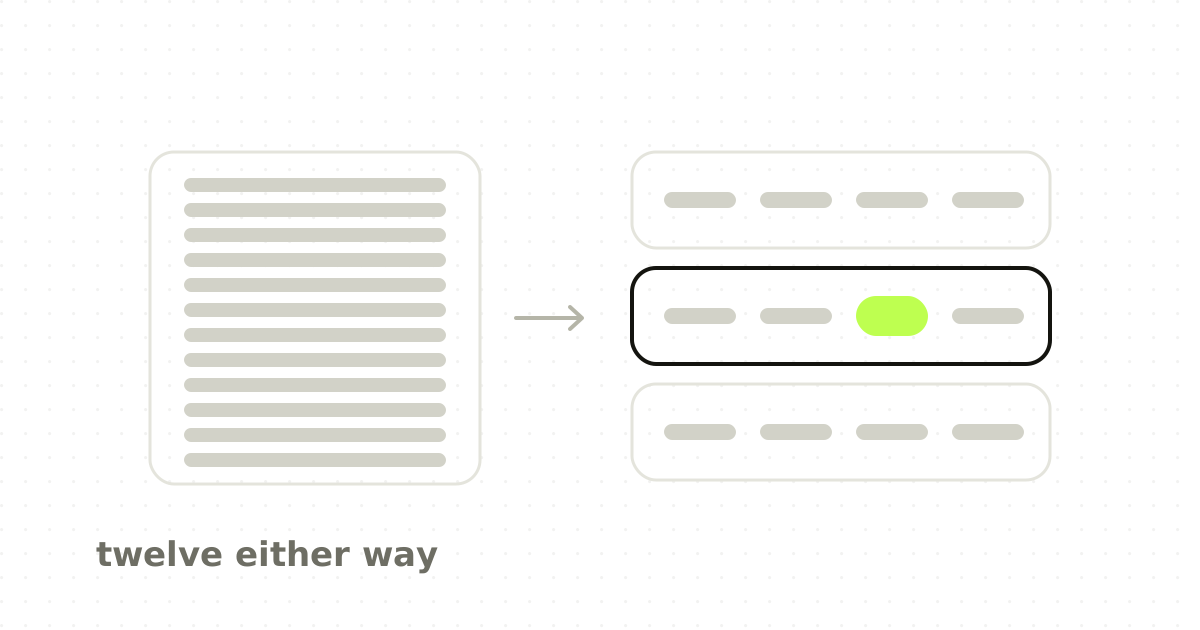
Hick's law is not a rule about having fewer options
The law gets quoted to justify deleting features. What it actually describes is the shape of a decision, which is a different problem with a much better fix.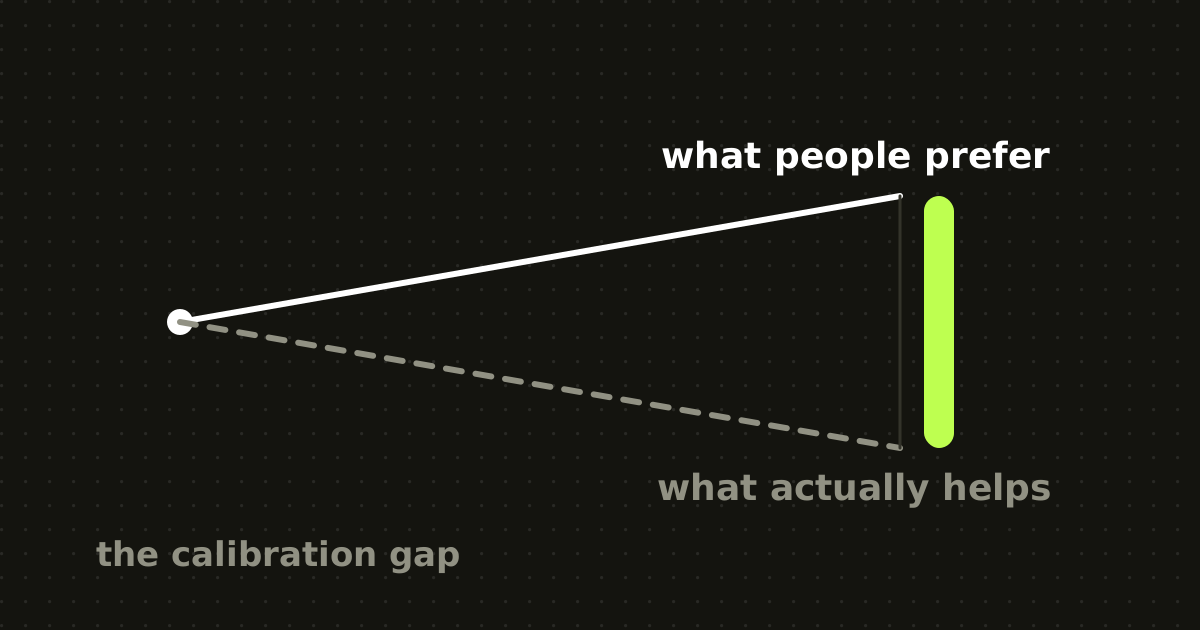
The AI features people like best can be the ones that make them decide worst
The interventions that most reduced overreliance on AI were the ones users rated least favourably. That finding should change how AI products get evaluated.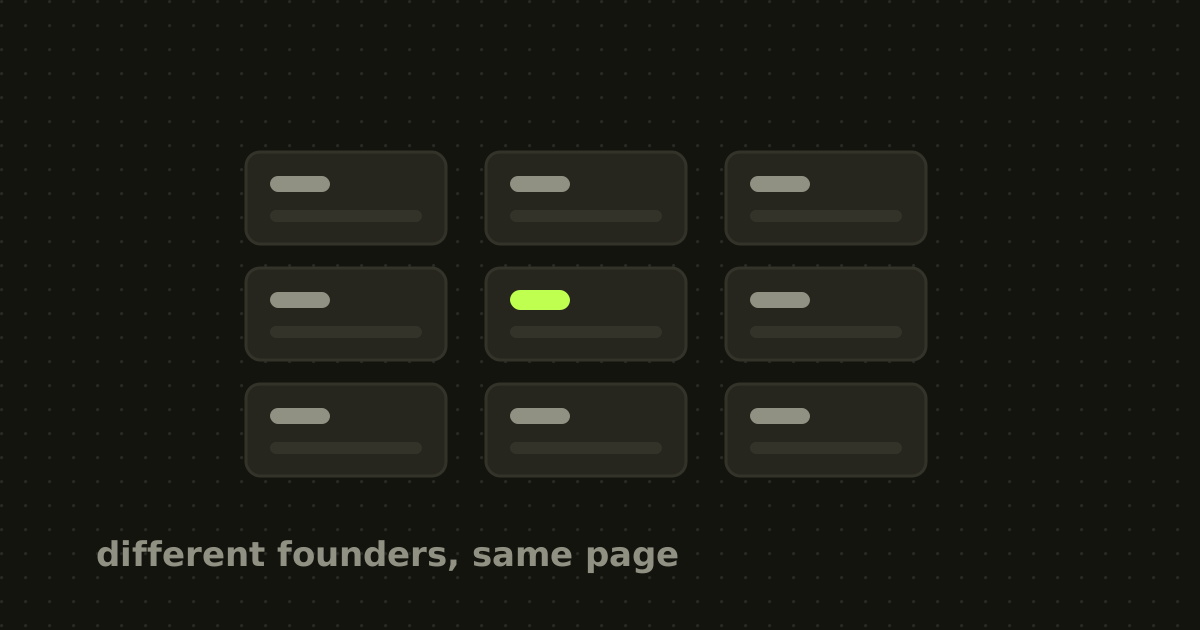
AI design has a scaling problem, not a taste problem
Ten AI-built products, ten identical landing pages, no contact between any of them. The sameness is not laziness, and it is not a bug waiting on a patch.
Your team is not a sample: where dogfooding stops working
Every organisation eventually concludes that because they use the product all day, they know it works. NN/g takes that assumption apart.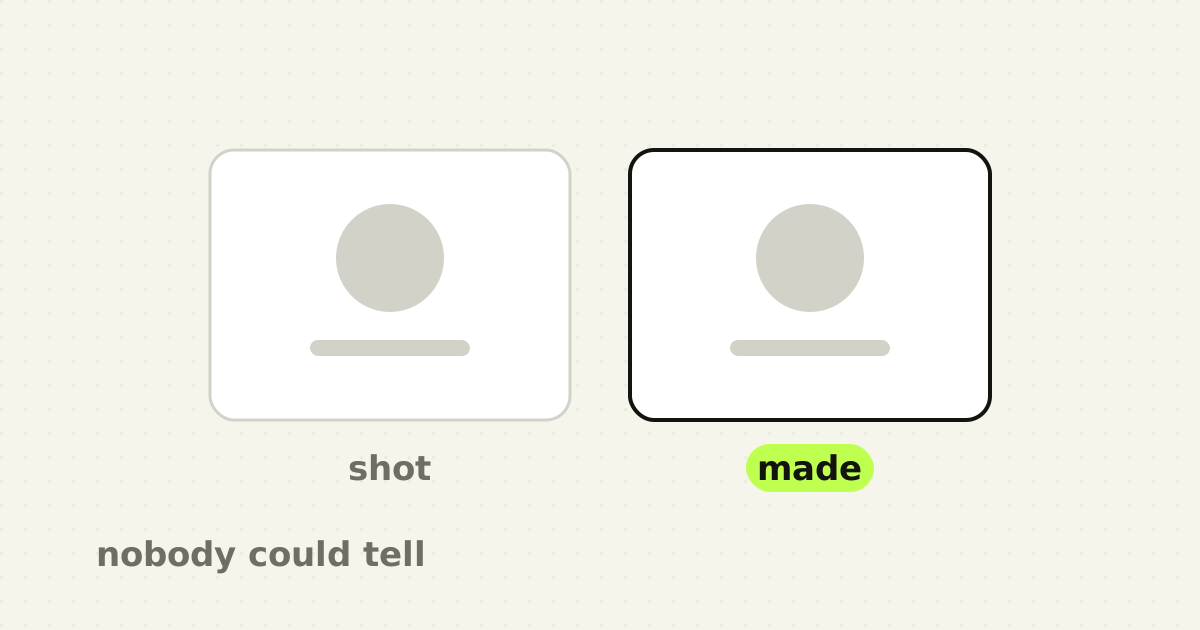
AI images passed the blind test. That is not the same as permission.
NN/g tested whether people can tell AI hero images from stock photography, and whether it changes how they judge a company. The answer is in the caveats.
Loom was won in the settings menu
Atlassian paid roughly $975 million for Loom. A meaningful share of what made it work was a set of decisions most teams would delegate to whoever picks up the ticket.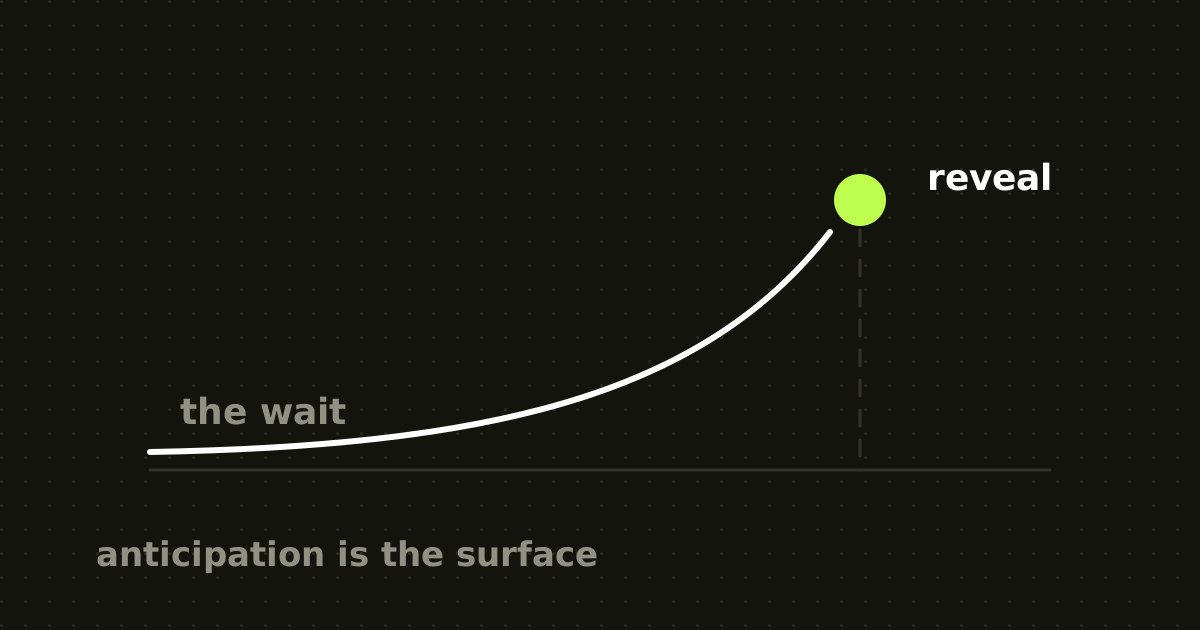
Anticipation is a feature: deconstructing Spotify Wrapped
Spotify gets a week of free cultural attention every December by showing people a bar chart about themselves. The mechanics are copyable, and the 2024 edition proves which part is load-bearing.